
Graduating from university brings lot of questions about what career to choose. Manufacturing may not always be first industry students think about, but it offers many different jobs in engineering, production, quality, supply chain, design, packaging and operations. Modern factories are also very different from old picture people sometimes have in mind.
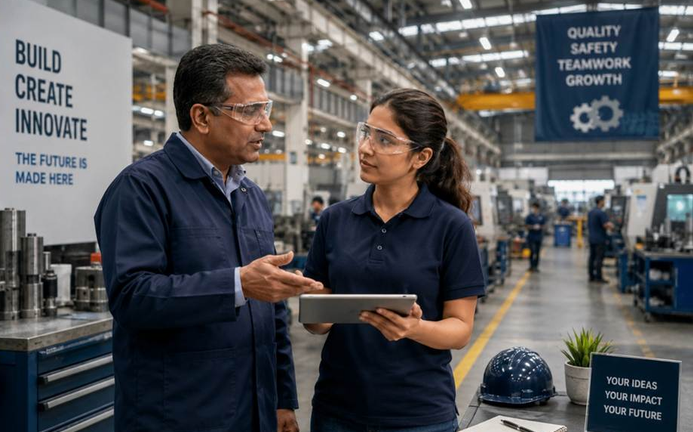
Manufacturing career can give graduates chance to work with physical products, technology and real business problems. You can actually see how decision made in office becomes product moving through factory floor. For students who like solving practical problems this kind of work can be very satisfying.
1. Understand Manufacturing Is Much More Than Factory Work
Manufacturing includes many departments that need people with different education backgrounds.
- Mechanical and industrial engineers may work on production processes and machinery.
- Business graduates can enter purchasing, operations, sales or supply chain roles.
- Designers may work with product development and packaging materials.
- Computer science graduates increasingly work with automation, data systems and smart factory technology.
- Marketing graduates can also work with manufacturers who sell products directly to consumers or other businesses.
You not always need engineering degree for entering manufacturing. Many company are looking for people who can communicate well, organize work and understand customers. Some graduates discover roles they never knew exist before visiting actual production facility.
Manufacturing Needs Different Types of Thinkers
Factories need both technical and creative people. A production engineer might focus on machine output while packaging designer thinks about size, printing and how item will arrive to customer.
This mix of skills makes manufacturing interesting for graduates who don’t want job that feel same every day.
2. Get Comfortable With Learning on the Job
University gives theory but manufacturing teaches lot through experience. Even graduates with technical degrees will probably face machines, materials and production situations that was not covered deeply in classroom.
- Ask operators how processes actually work.
- Spend time on production floor instead staying only at desk.
- Learn basic terminology used by suppliers and production workers.
- Pay attention to small problems because those problems can become expensive later.
- Don’t be afraid to admit when you don’t understand particular machine or process.
In manufacturing, people with ten or twenty years experience often know details that can’t easily found in textbook. New graduate should respect this knowledge and learn from them.
You must learning from people who already doing job. Sometime university student think degree means they already know process but practical reality is more different.
3. Communication Skills Matter More Than You May Expect
Manufacturing is full of coordination. One product may involve designer, material supplier, machine operator, quality team, warehouse staff and shipping company.
A simple misunderstanding about size, material or delivery date can create major delay.
- Write instructions clearly.
- Confirm measurements before production begins.
- Ask questions when requirements are confusing.
- Avoid assuming everyone understands technical terms in same way.
- Keep records of important changes.
This become more important when working with outside suppliers. A graduate who communicate clearly can become valuable very fast even without many years experience.
4. Learn How Cost and Quality Work Together
One of biggest lessons in manufacturing is that best technical option is not always best business option. Every material, process and design has cost.
For example, thicker packaging might offer more protection but it can increase material and shipping expenses. A cheaper material might reduce production price but create quality complaints later.
Websites such as zeepackaging.com can be useful reference for students who want to see how different box structures, materials and printing choices are presented in real packaging market. It gives practical context about how manufacturers connect product requirements with packaging options.
Start Thinking in Trade-Offs
Good manufacturing professionals usually ask questions such as:
- How much will it cost?
- Can factory produce it efficiently?
- Will product meet quality requirements?
- Can supplier deliver material on time?
- Will customer notice difference?
- What happens if production volume increases?
Learning these trade-offs makes graduate more useful for employers.
5. Don’t Ignore Packaging and Logistics
Students interested in manufacturing should understand what happens after product is produced. A product still needs to be packed, stored and transported.
This is where knowledge about corrugated packaging can become useful because corrugated structures are widely used to protect and ship products across many industries.
Packaging decisions affect shipping weight, warehouse space and product damage. Logistics also influences manufacturing schedules because producing items too early may create storage problems while producing late can delay customer orders.
Many manufacturing job is connected with another department even when it doesn’t look that way first.
6. Safety and Quality Should Never Feel Like Extra Work
Safety rules may sometimes feel slow especially for new graduates who want to make quick improvements. However manufacturing environments include machinery, chemicals, moving equipment and heavy materials.
Quality controls are equally important.
- Follow safety procedures even when task looks simple.
- Report equipment problems instead ignoring them.
- Understand why quality checks exist.
- Document errors and corrective actions.
- Learn industry standards related to your field.
Good employee don’t see safety as paperwork only. They understand one mistake can cause injury, damaged products or production shutdown.
7. Build Skills That Can Move Across Industries
One advantage of manufacturing career is that many skills transfer between industries.
Experience in production planning, quality management, supply chain, procurement or process improvement can be useful in food, automotive, electronics, medical devices, packaging and many other sectors.
Graduates should focus on learning tools and principles not only one particular product.
Skills such as Excel, CAD, ERP systems, data analysis and project management can also increase career options. You doesn’t need learn everything in first year but keep adding technical knowledge.
Final Advice for New Graduates
Manufacturing can be strong career choice for graduates who enjoy seeing real results from their work. It teaches problem solving, teamwork, communication and business decision making in practical environment.
Don’t expect to understand everything immediately. Visit production areas, ask experienced workers questions and learn why processes exist before trying to change them. Manufacturing rewards people who pay attention details and can work with different teams.
Your first manufacturing role may not be your final career direction, and thats okay. Experience from factory, supplier or production project can give skills which are valuable in many industries later. For graduate who is willing to learn and work with real problems, manufacturing have more career paths than it may first appear.
