Selecting the right current transformers for industrial applications is essential for maintaining electrical safety, accurate monitoring, and efficient power management. Industries rely heavily on electrical systems, and even a small measurement error can lead to equipment damage, downtime, or higher energy costs. That is why choosing suitable current transformers requires careful consideration of several technical and operational factors.
In this guide, you will learn how to select the best transformer for industrial use, key features to evaluate, and common mistakes to avoid.
What Are Current Transformers?
Current transformers are electrical devices used to measure alternating current (AC) in power systems. They reduce high currents into smaller, manageable values that can safely be monitored by meters, relays, and protection systems.
These transformers are commonly used in:
- Power distribution systems
- Industrial plants
- Manufacturing facilities
- Renewable energy systems
- Electrical substations
They provide accurate current readings while protecting monitoring equipment from high-voltage exposure.
Why Choosing the Right Current Transformer Matters
Choosing the wrong transformer can result in:
- Inaccurate current readings
- Poor equipment performance
- System overheating
- Protection relay failure
- Increased maintenance costs
The right transformer improves operational efficiency and ensures long-term reliability in industrial environments.
Understand the Application Requirements
Before purchasing a transformer, identify the specific industrial application. Different industries have different electrical loads and monitoring requirements.
Key Questions to Ask
- What is the system voltage?
- What is the maximum operating current?
- Is the transformer for metering or protection?
- Will it be used indoors or outdoors?
- What level of accuracy is required?
Understanding these details helps narrow down the best transformer type for your system.
Determine the Current Rating
One of the most important steps is selecting the correct current ratio. The transformer ratio indicates how much primary current is converted into secondary current.
For example:
- 100:5 CT means 100A primary current becomes 5A secondary current.
- 200:5 CT converts 200A to 5A.
Always choose a transformer that matches the expected load current. Oversized or undersized transformers may reduce measurement accuracy.
Tips for Choosing Current Ratings
- Analyze the maximum load current
- Consider future load expansion
- Avoid selecting excessively high ratios
- Ensure compatibility with connected meters
Accurate current rating selection ensures better system monitoring and protection.
Select the Correct Accuracy Class
Accuracy is critical in industrial electrical systems. Different applications require different accuracy classes.
Metering Applications
For billing and energy monitoring, highly accurate transformers are required. Common metering classes include:
- Class 0.1
- Class 0.2
- Class 0.5
These provide precise current measurement for energy management systems.
Protection Applications
Protection systems prioritize reliability during fault conditions. Common protection classes include:
- 5P10
- 10P10
- PX class
Protection transformers maintain performance during high fault currents.
Selecting the correct accuracy class ensures the system operates safely and efficiently.
Consider the Burden Rating
The burden rating refers to the total load connected to the transformer’s secondary side. It is measured in VA (Volt-Amperes).
If the burden exceeds the transformer rating, measurement errors may occur.
Common Burden Factors
- Cable length
- Connected relays
- Measuring instruments
- Monitoring devices
Choose a transformer with sufficient burden capacity to support all connected equipment.
Choose the Proper Transformer Type
There are several types of transformers designed for industrial use. Each serves different operational needs.
Window Type Current Transformers
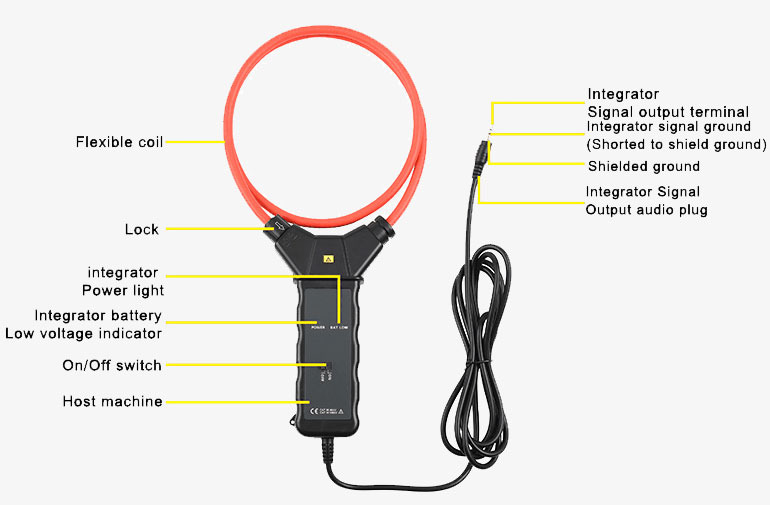
These are commonly used in switchgear and panel boards. The conductor passes through the center opening, enabling online current detection. The common type is clamp on current transformer, split-core current transformer, and flexible current transformer.
Advantages:
- Compact design
- Easy installation
- Cost-effective
Bar Type Current Transformers
These contain a built-in primary conductor and are ideal for high-current industrial systems.
Advantages:
- High mechanical strength
- Suitable for large currents
- Excellent stability
Wound Type Current Transformers
These have a primary winding connected in series with the conductor.
Advantages:
- High accuracy
- Suitable for low current applications
Selecting the right type depends on installation space, current level, and monitoring requirements.
Evaluate Environmental Conditions
Industrial environments can be harsh. Temperature, moisture, dust, and vibration all affect transformer performance.
Environmental Factors to Consider
- High ambient temperature
- Humidity levels
- Outdoor exposure
- Chemical contamination
- Mechanical vibration
For outdoor or demanding environments, choose transformers with protective insulation and durable enclosures.
Check Insulation and Voltage Ratings
Insulation quality is crucial for safety and long-term operation. The insulation rating must match the system voltage.
Important Considerations
- Rated insulation level
- Impulse withstand voltage
- Dielectric strength
- Safety standards compliance
High-quality insulation prevents electrical failures and improves operational safety.
Ensure Compliance With Industry Standards
Reliable industrial transformers should meet international standards and certifications.
Common Standards
- IEC 61869
- IEEE C57
- ANSI standards
Certified transformers offer better reliability, accuracy, and safety assurance.
Focus on Installation Requirements
Easy installation can reduce downtime and maintenance costs.
Installation Features to Look For
- Compact design
- Mounting flexibility
- Accessible terminals
- Clear labeling
Proper installation also improves safety and simplifies future inspections.
Consider Future System Expansion
Industrial systems often expand over time. Choosing scalable equipment prevents costly replacements later.
Expansion Planning Tips
- Select transformers with slightly higher capacity
- Ensure compatibility with future monitoring systems
- Consider smart energy management integration
Planning before saves both time and operational expenses.
Compare Quality and Manufacturer Reputation
Not all transformers offer the same level of reliability. Choosing a trusted manufacturer ensures better performance and technical support.
What to Evaluate
- Manufacturing quality
- Warranty coverage
- Customer reviews
- Technical assistance
- Product certifications
High-quality transformers may cost more initially but provide better long-term value.
Common Mistakes to Avoid
Many industries make avoidable mistakes when selecting transformers.
Avoid These Errors
- Choosing incorrect current ratios
- Ignoring burden calculations
- Selecting low-quality products
- Overlooking environmental conditions
- Using the wrong accuracy class
Careful planning prevents system inefficiencies and unnecessary maintenance.
Benefits of Choosing the Right Transformer
Selecting the correct industrial transformer offers several advantages.
Improved Safety
Properly rated transformers protect operators and electrical equipment from dangerous currents.
Accurate Monitoring
Reliable measurements help industries manage energy usage more effectively.
Reduced Downtime
High-quality transformers improve system reliability and minimize operational interruptions.
Better Equipment Protection
Protection systems work more efficiently when accurate transformers are installed.
Long-Term Cost Savings
Efficient systems consume less energy and require fewer repairs.
Final Thoughts
Choosing the right current transformers for industrial use requires careful evaluation of current ratings, accuracy classes, burden capacity, environmental conditions, and installation requirements. Industries depend on reliable electrical monitoring systems to maintain safety, efficiency, and productivity.
By understanding your operational needs and selecting high-quality current transformers, you can improve system performance, reduce maintenance costs, and ensure long-term reliability. Always work with trusted manufacturers and follow industry standards to achieve the best results for your industrial power systems.